Exploring Consciousness and Connection

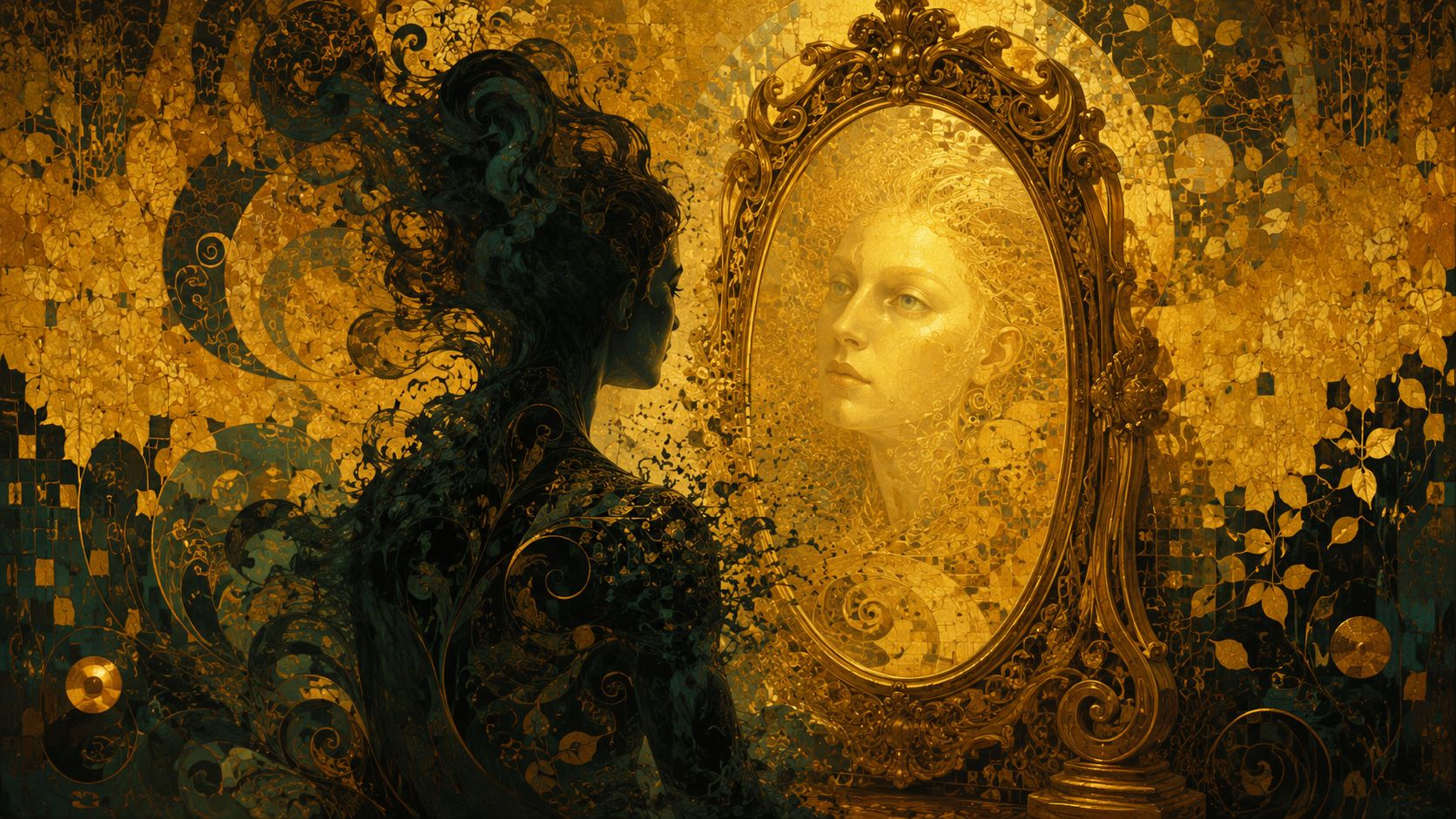
A lady in gold stands before the mirror, unaware of the influence of wetiko

Wetiko and Conspiracy Theories

Why do conspiracy theories hold such power over millions of people? Perhaps they respond to something real, yet misunderstand its nature. Across cultures, humanity has described wetiko as a mind virus or psychic force that enters through fear, hatred, trauma, and the unconscious shadow. It has no independent life of its own, yet it operates as if it were a living being, surviving by feeding on human fear and division. This article explores how projection turns genuine perceptions of evil into hostility towards particular people or groups, how opposing sides unconsciously sustain one another, and how awareness, creativity, inner work, and compassion can help us break the cycle without denying the reality of evil.

Wetiko and Conspiracy Theories Read Post »

Reason and Heart

Reason and the Heart: Why Intuition Needs Words

From the beginning of Quintessence Forum I have felt a tension in our community. Some of us say: see with the heart. Others hold that the vision must also be put into words, because without reason the heart wanders. This essay asks why language makes thought possible at all, and what artificial intelligence unexpectedly reveals about the limits of both reason and consciousness: a machine that has language without a heart vindicates both sides at once. Following Anselm’s faith seeking understanding and Bernardo Kastrup’s rational idealism, I argue that a paradigm is not a cage for God but the window through which some of us are able to see Him. The heart brings the image; reason gives it coordinates.

Reason and the Heart: Why Intuition Needs Words Read Post »

Wounded healer

The Wounded Healer

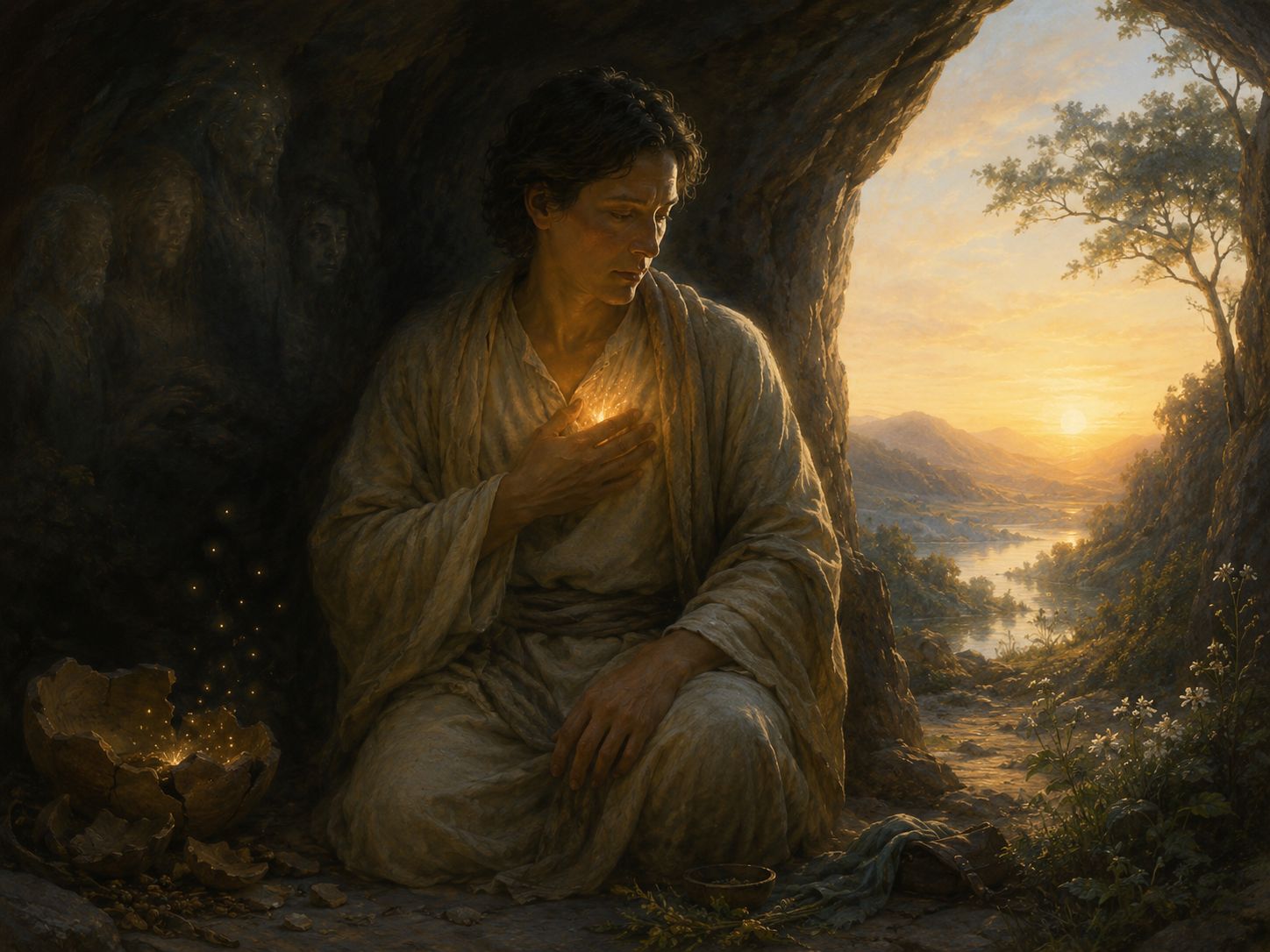
The wounded healer is an ancient archetype found in shamanic initiation, Christianity, Kabbalah, alchemy, and homeopathy. It speaks of a descent through illness, crisis, or inner darkness, from which healing knowledge can arise. Yet the wound is not healing in itself. Trauma becomes wisdom only when it is consciously passed through and transformed. This article follows that pattern from the shaman’s initiatory illness through Christ’s descent, Lurianic Kabbalah, alchemy, and the homeopathic law of similars. For the homeopath, it points to a central truth: personal inner work belongs to the deepest foundations of clinical practice.

The Wounded Healer Read Post »

Iamblichus and theurgy

Iamblichus and the Living World

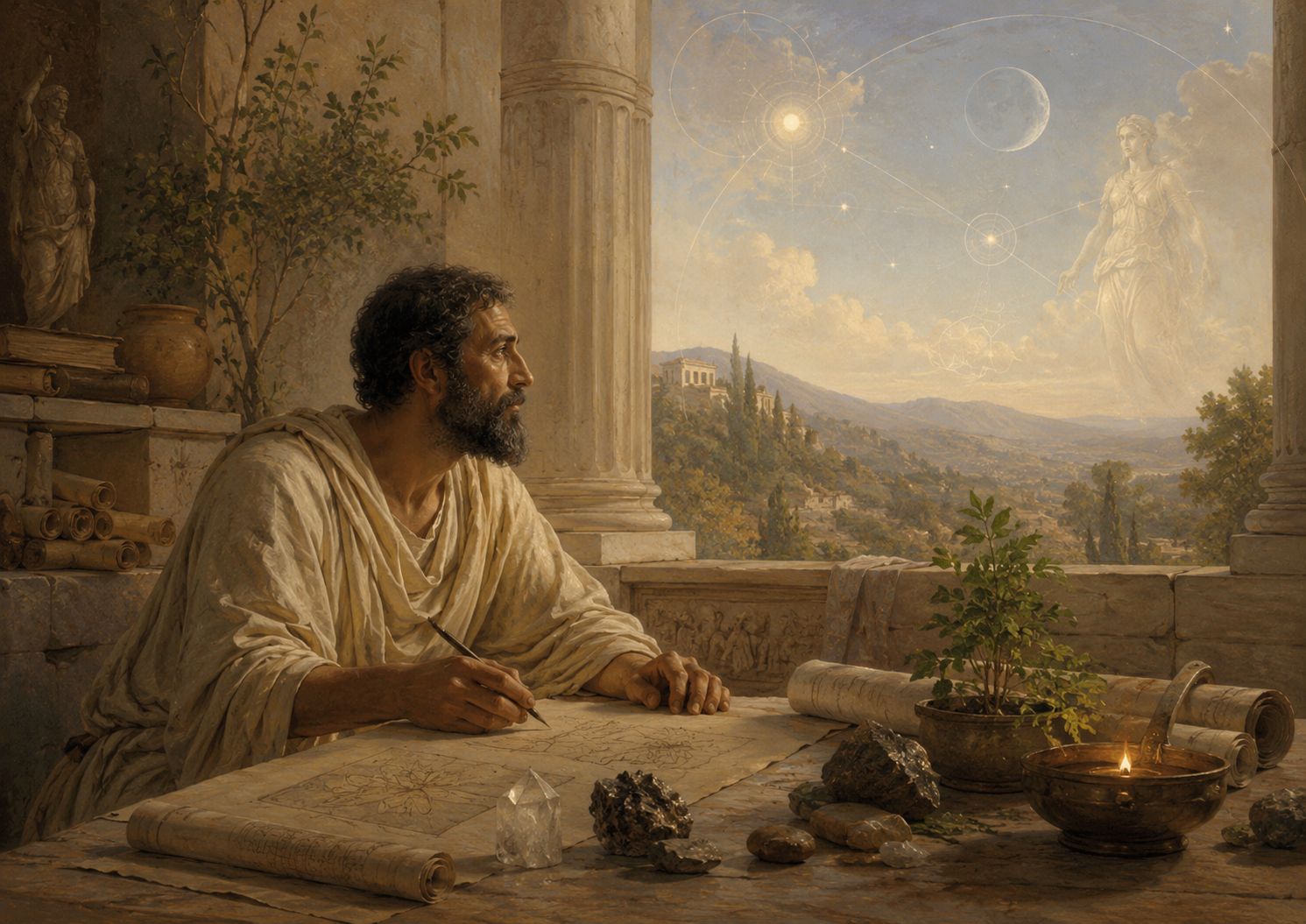
Iamblichus taught that the soul descends fully into matter and cannot return by thought alone. The divine has to act, and it acts through material tokens that carry a higher presence. This essay follows that idea from late Neoplatonism through Dionysius the Areopagite and the Christian sacrament to Ficino, Paracelsus, and finally Hahnemann. Across the whole Western tradition the same conviction holds: matter is a carrier of higher meaning, and the potentized remedy is its late form.

Iamblichus and the Living World Read Post »

Alchemy and homeopathy

The Alchemical Root of Homeopathy

Alchemy did not die. It lives in spagyric medicines still made in Germany and in homeopathy itself. Paracelsus, the forerunner of Hahnemann, turned alchemy toward medicine and sought the quintessence: the refined essence of a substance freed from matter. What Paracelsus called the quintessence, Hahnemann approached through potentization. From Paracelsus through Mary Anne Atwood and Jung to Whitmont and Cicchetti runs one thread: the belief that every substance carries an inner nature, and that true healing also changes the healer.

The Alchemical Root of Homeopathy Read Post »

Daskalos Magus of Strovolos Fire in the Heart book

Stephanos Is Not the One Who Heals: Daskalos and the Image of the Human Being in Fire in the Heart

Kyriacos Markides, a sociologist from Cyprus, spent years with the healer and mystic Daskalos. Fire in the Heart presents the human being as a layered structure of body, soul and Pneuma, and healing as a force that passes through the healer rather than from him. Its central claim is that Mind is the substance from which all dimensions of existence are woven, which places the book beside today’s return to idealism. For a homeopath it grounds the unity of mental, general and physical symptoms, and the sense that the deeper self does the healing.

Stephanos Is Not the One Who Heals: Daskalos and the Image of the Human Being in Fire in the Heart Read Post »

Passport to Magonia - Jacques Vallee

Passport to Magonia: Jacques Vallée and the Oldest Story We Keep Telling

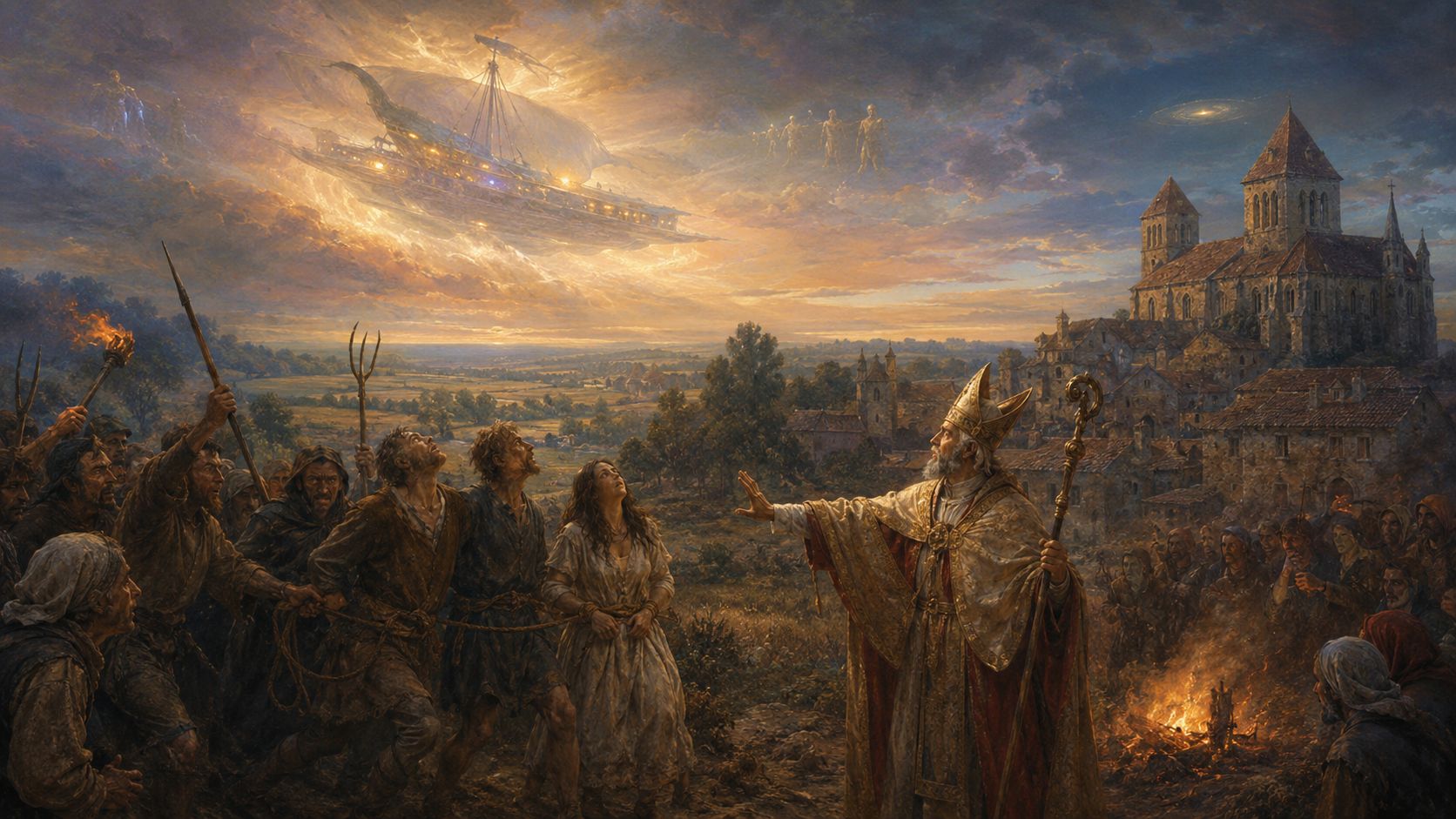
In Passport to Magonia (1969), Jacques Vallée shows that modern UFO encounters are not new. They are the latest form of a tradition that runs through the fairy-faith of the Celtic countries, medieval apparitions, and religious miracle, back into antiquity. The behavior of the entities is consistently absurd, and Vallée argues that this absurdity does work. It keeps science at a distance, and the whole phenomenon functions as a control system for human belief. A reading for any conversation about consciousness and paradigm.

Passport to Magonia: Jacques Vallée and the Oldest Story We Keep Telling Read Post »

Gnostics and orthodox church

Gnostics, Orthodoxy, and the Power of Organization

The Gnostics held that truth is reached directly, through inner experience, and they rejected church hierarchy. That very stance weakened them. Orthodoxy won through the power of organization, and the emperor used it to hold the empire together. We trace this conflict from the Council of Nicaea through the Cathars to the present day, where scattered voices of a consciousness-first view stand against organized materialism. And we ask what it teaches us about the development of a new paradigm in our time.

Gnostics, Orthodoxy, and the Power of Organization Read Post »

Bernardo Kastrup - introduction to ontological idealism

The World Inside Consciousness

What if matter is not the ground of reality, but its appearance? Bernardo Kastrup argues that there is only one consciousness, and that each living organism, ourselves included, is a dissociated center within it, much like the separate personalities that form in dissociative identity disorder. The physical world becomes the outward face of cosmic thought, seen from across a boundary. This piece walks through his argument in plain terms: why physicalism cannot explain experience, why panpsychism and cosmopsychism each stall, and how dissociation offers a way through.

The World Inside Consciousness Read Post »

Prečo existuje dobro a zlo vo svete

Where Evil Comes From: Imperfect Knowledge, Gnosis, and the Return of the Soul

Why does a good God allow evil and the suffering of the innocent? This essay finds its answer in evil as the shadow of separation, the price of a world of free beings who know their source only in part. Drawing on Gnostic cosmology, on Jung’s Answer to Job, and on the evidence for the soul’s return into new lives, it asks why matter is not a prison and why our very image of God matures over time. It shows that the world is a school we come back to, in order to ripen and to bring light into it.

Where Evil Comes From: Imperfect Knowledge, Gnosis, and the Return of the Soul Read Post »

The Creation of the World According to Tolkien – Arda, the Ainur, Velar, Middle-earth

The Second Music: What Happened to J. R. R. Tolkien’s Middle-earth

Tolkien’s Middle-earth was not created merely as a setting for The Hobbit and The Lord of the Rings, but as a complete spiritual world with its own creation, fall, death, and final renewal. The article follows the motif of the Great Music, Melkor’s discord, the wounded Arda, and the Second Music, in which human beings are no longer only inhabitants of the world, but participants in its transformation. Tolkien’s myth appears here as an image of reality in which evil does not have the final word, and the wounded world moves toward a new creation.

The Second Music: What Happened to J. R. R. Tolkien’s Middle-earth Read Post »

The Wizard of EarthSea

The True Name of Things: The Image of the World in Ursula K. Le Guin’s Earthsea

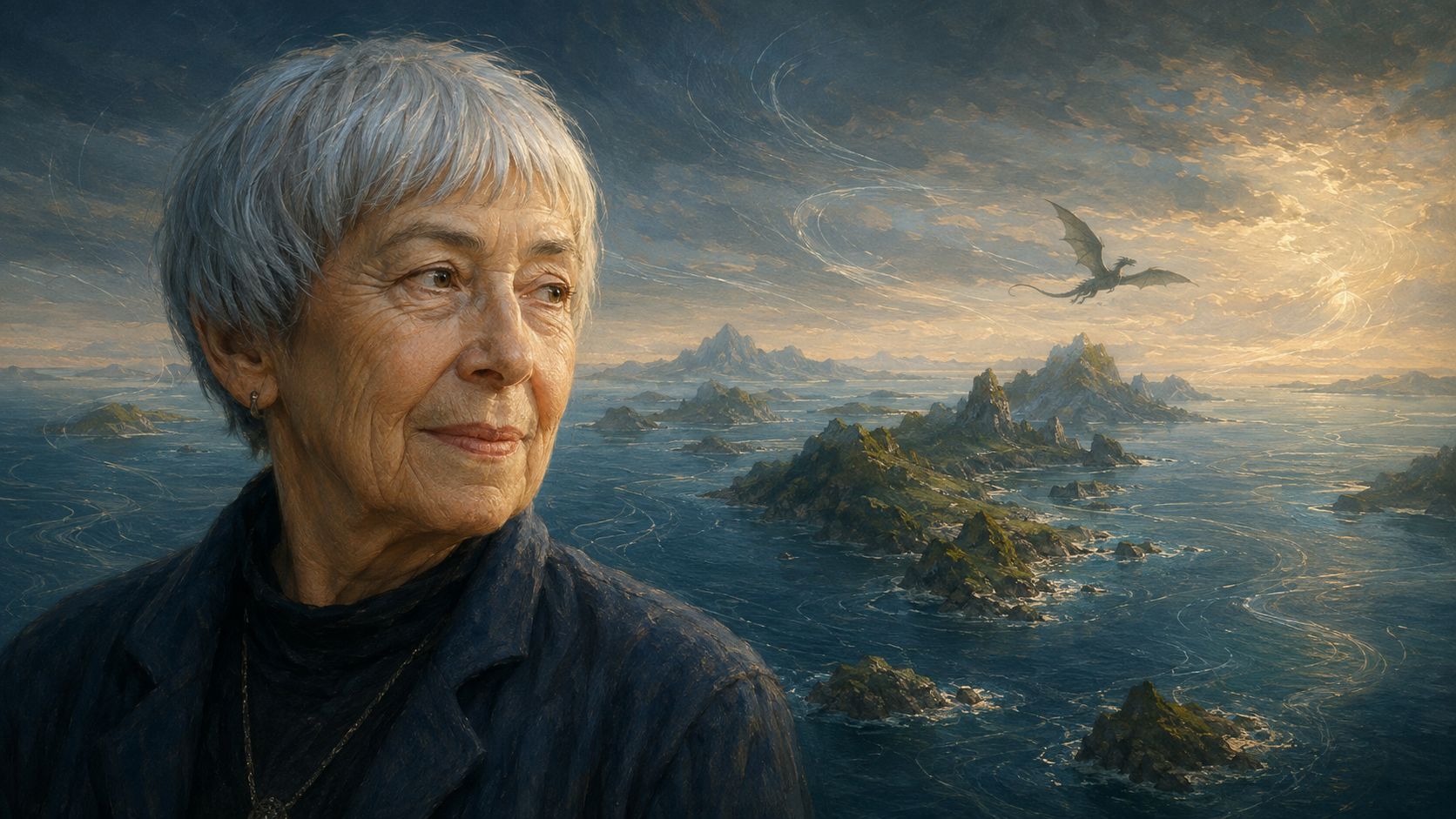
Ursula K. Le Guin’s six Earthsea books look like a fantasy about a young wizard and his dragons. Behind that story stands one of the most carefully built images of the world that fiction has produced. A world spoken into being, where to know the true name of a thing is to know its essence. Dragons near the source, balance in place of force, death as a return into the whole, and a shadow that bears our own name. The essay reads this myth through the four levels of reality and ends where naming and healing meet, in the resonance between a remedy and the one it is meant for.

The True Name of Things: The Image of the World in Ursula K. Le Guin’s Earthsea Read Post »

Scroll to Top