Taoism, Anthropology and Jung in Ursula K. Le Guin’s Work
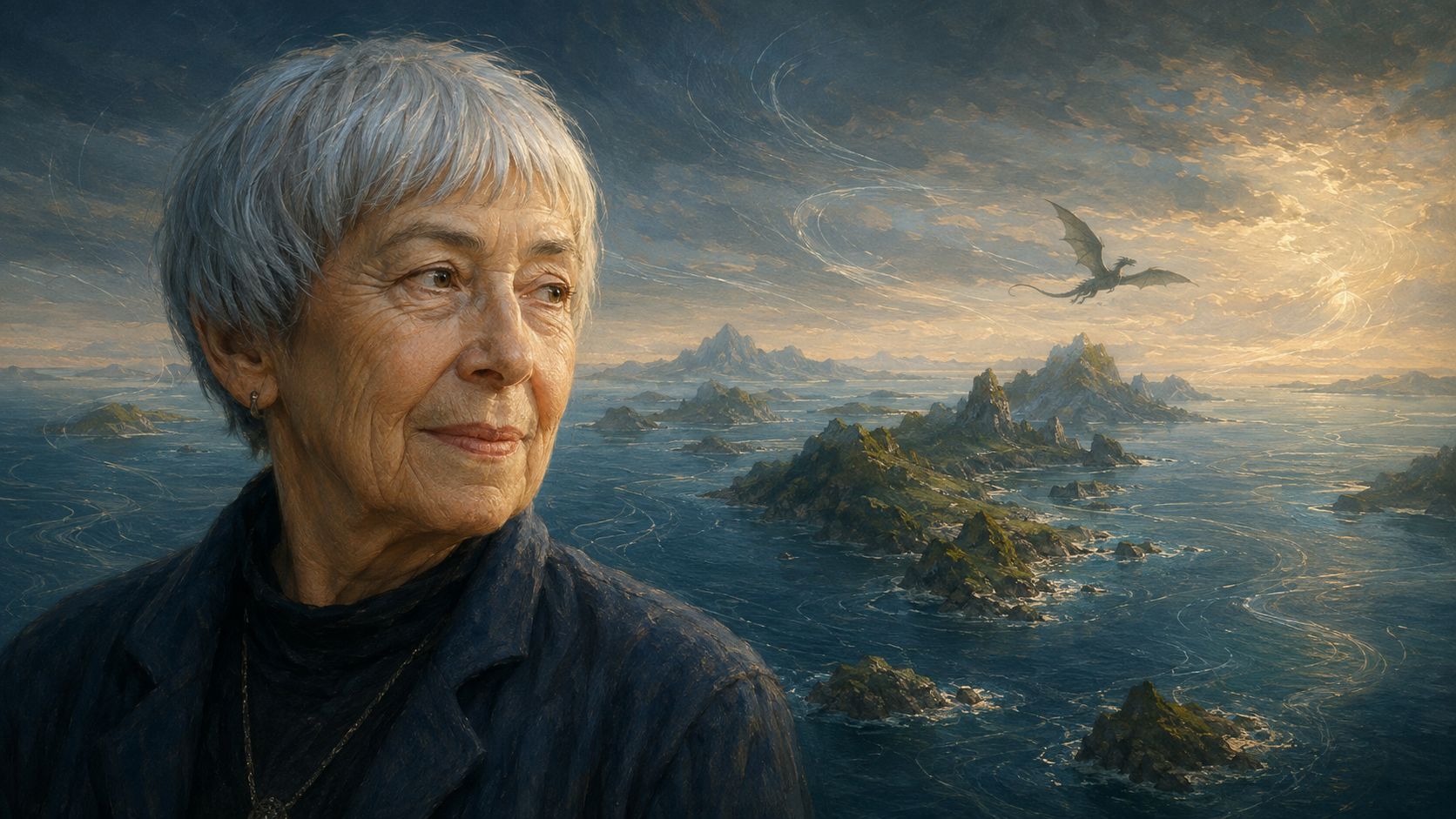
Earthsea follows the growth of a boy who learns the art of wizardry, yet its adventures rest upon a carefully conceived vision of the world. Ursula K. Le Guin drew on influences that had accompanied her since childhood: her parents’ anthropological work, encounters with Indigenous American languages and myths, and a lifelong engagement with the Tao Te Ching. This essay traces how these sources shaped Earthsea’s ideas of balance, true names, power and restraint. It also considers Ged’s shadow in the light of Jungian psychology, the meaning of death and the dry land, and Le Guin’s later rethinking of her world in Tehanu and The Other Wind. Earthsea emerges as a sustained reflection on how we listen to reality, what happens when power becomes domination, and why limits are essential to the meaning of human life.
Taoism, Anthropology and Jung in Ursula K. Le Guin’s Work Read Post »